Malta Travel Guide 2026
Your complete guide to Malta — beaches, activities, Valletta, Gozo, and insider tips.
About Malta
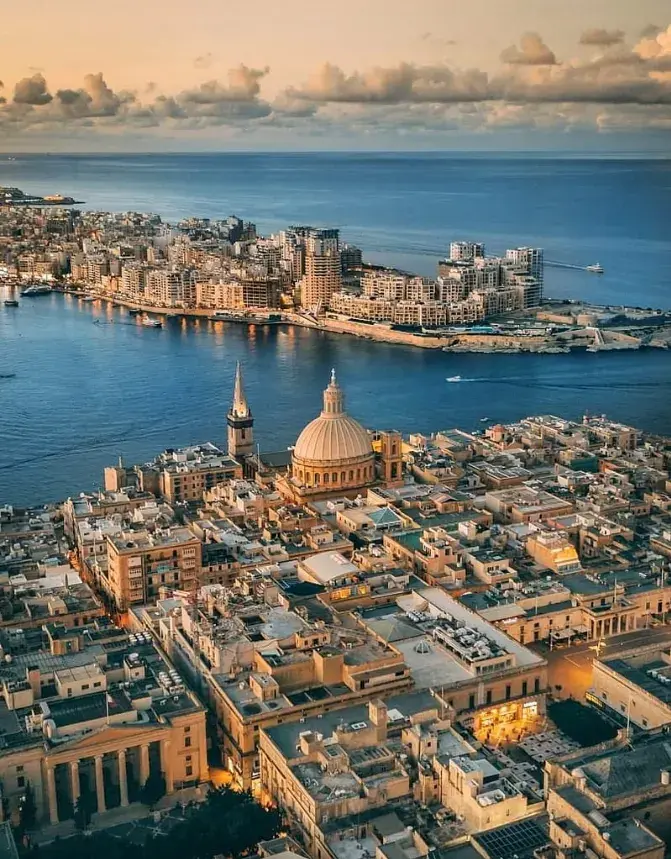
Malta is a tiny archipelago in the heart of the Mediterranean — just 316 square kilometres, but packed with 7,000 years of history, some of Europe's clearest water, and a density of things to see and do that rivals destinations ten times its size. Three main islands make up the archipelago: Malta (the largest), Gozo (quieter and greener), and Comino (mostly uninhabited, home to the famous Blue Lagoon). The capital, Valletta, is a UNESCO World Heritage Site and was European Capital of Culture in 2018. Malta has over 300 days of sunshine per year, making it one of the sunniest destinations in Europe.
Best Beaches in Malta
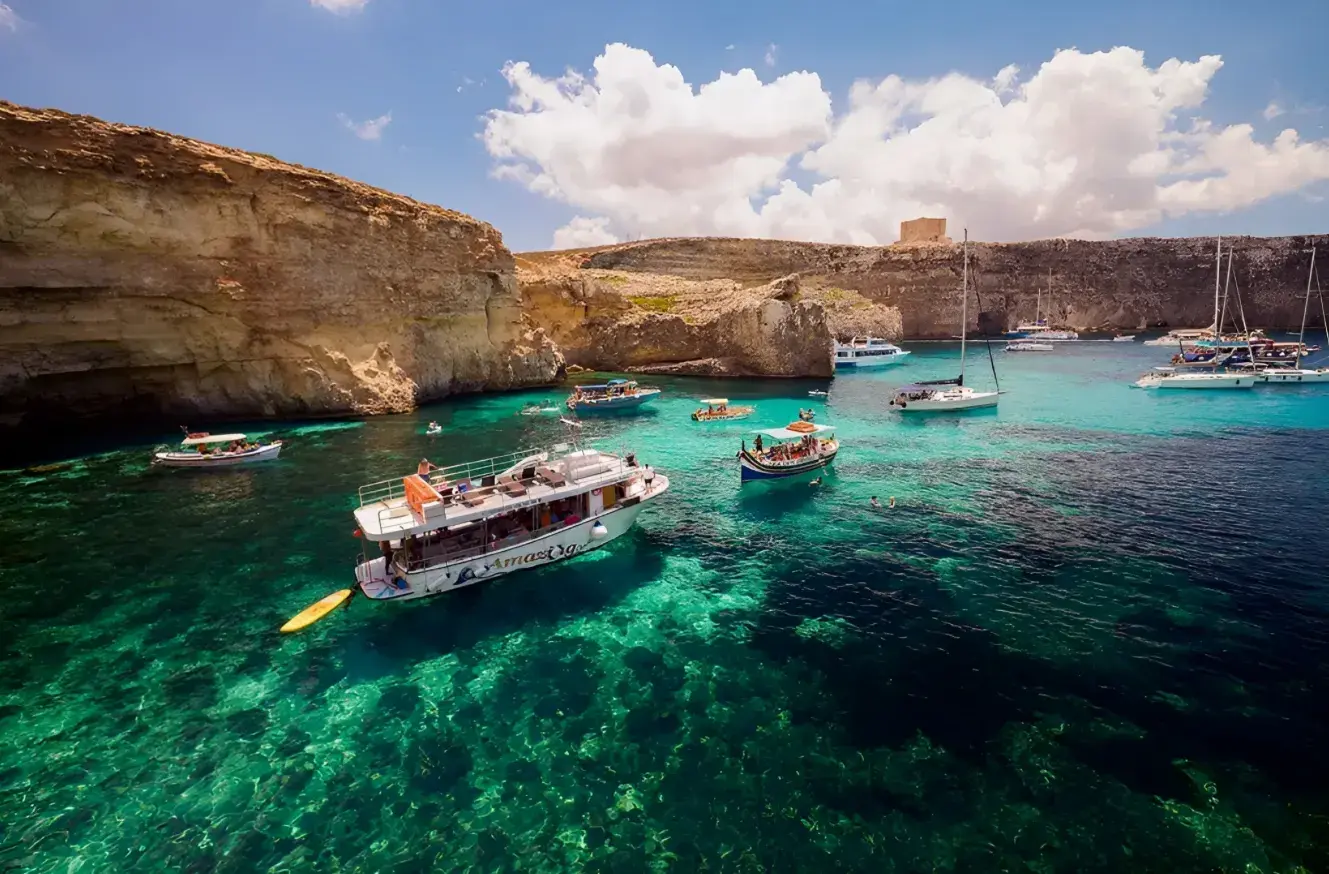
Malta's beaches range from busy sandy stripes to hidden rocky coves only accessible by boat. The most famous is the Blue Lagoon on Comino — not technically a beach but a shallow lagoon with extraordinary turquoise water that turns almost luminous in direct sunlight. For sandy beaches, Golden Bay and Mellieħa Bay are the most popular. Ghajn Tuffieħa is wilder, accessible by a long staircase, and tends to attract a more adventurous crowd. For a beach experience with facilities, St. George's Bay and Balluta Bay in St. Julian's offer everything nearby. For something quiet, head to Ġnejna Bay early in the morning.
Best Activities in Malta
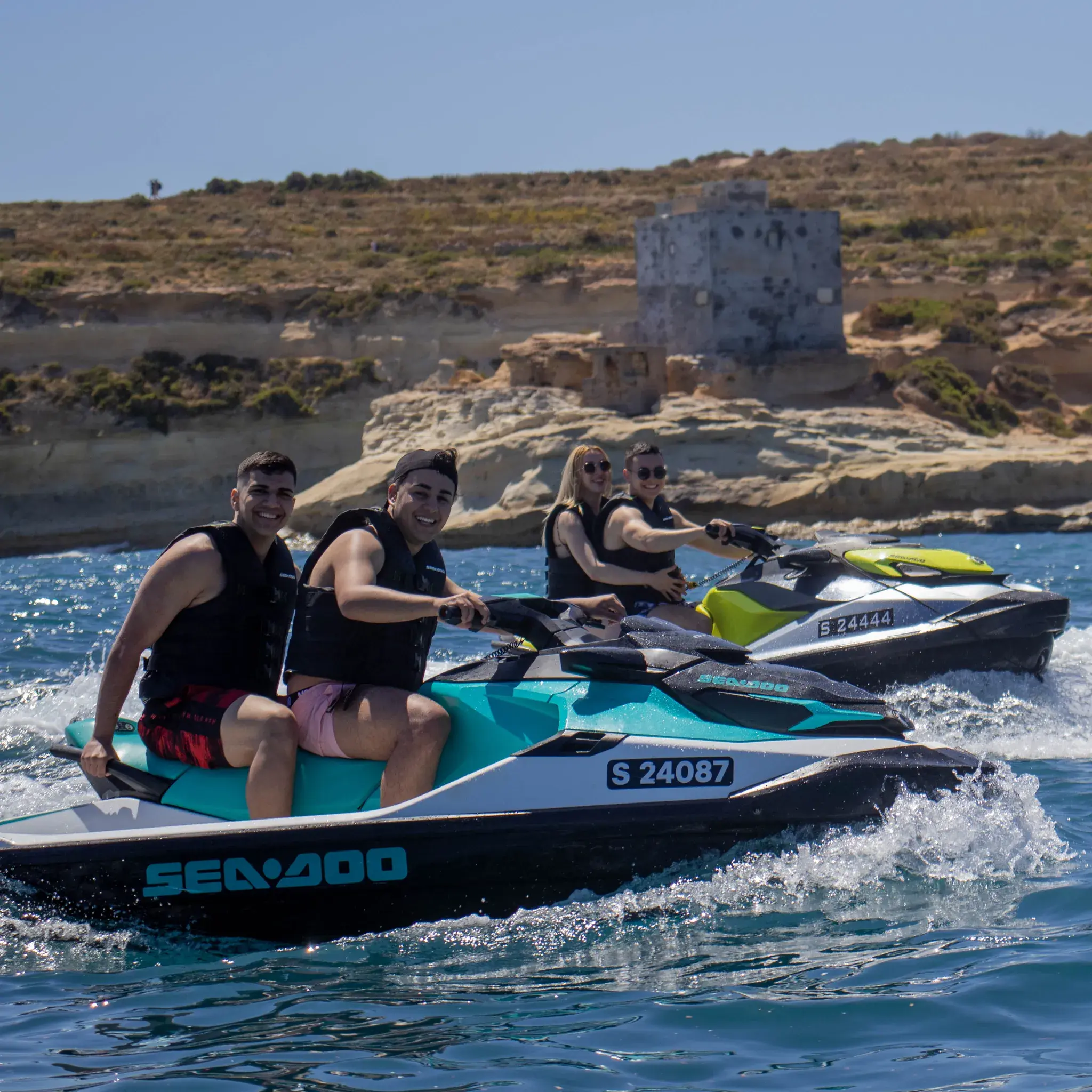
The water is Malta's greatest asset, and most of the best activities involve it. Jet ski safaris along the northern coast take you through sea caves and under limestone arches. The Blue Lagoon boat trip is a non-negotiable for most visitors — arrive early to avoid the midday crowds. Kayaking along the coast is one of the best ways to explore the hidden coves that are inaccessible on foot. Scuba diving and snorkelling are exceptional — the visibility can reach 30 metres in summer, and the sea life includes octopus, sea bream, barracuda and occasional rays. On land, Valletta deserves at least a full day: the fortifications, the Grand Master's Palace, the Upper and Lower Barrakka Gardens and the co-cathedral of St John are all unmissable.
Valletta — What to See
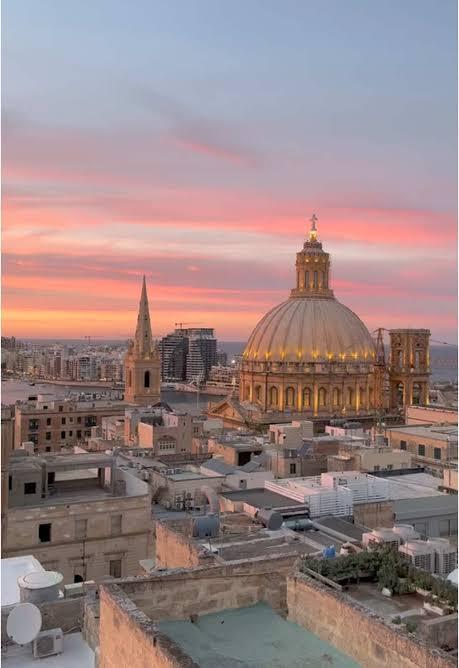
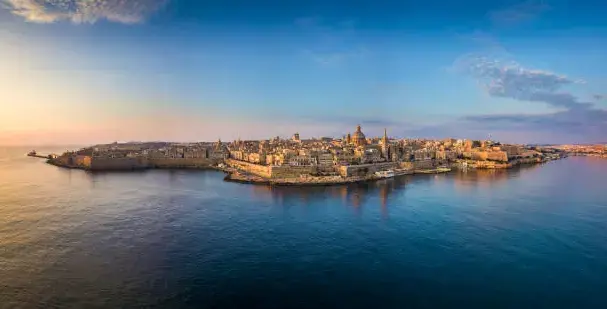
Valletta is one of Europe's smallest capitals and arguably one of its most beautiful. Built by the Knights of St John after the Great Siege of 1565, every street is a museum. Start at the Grand Master's Palace and the Armoury, then cross the city to the Upper Barrakka Gardens for the definitive view of the Grand Harbour. St John's Co-Cathedral is remarkable for its marble floor — every slab is a gravestone — and Caravaggio's Beheading of Saint John the Baptist, his only signed work. The Three Cities across the harbour are worth the ferry: quieter, less visited and just as historic. The ferry from Valletta takes under 5 minutes and leaves from the Grand Harbour waterfront.
Gozo — Malta's Quieter Island
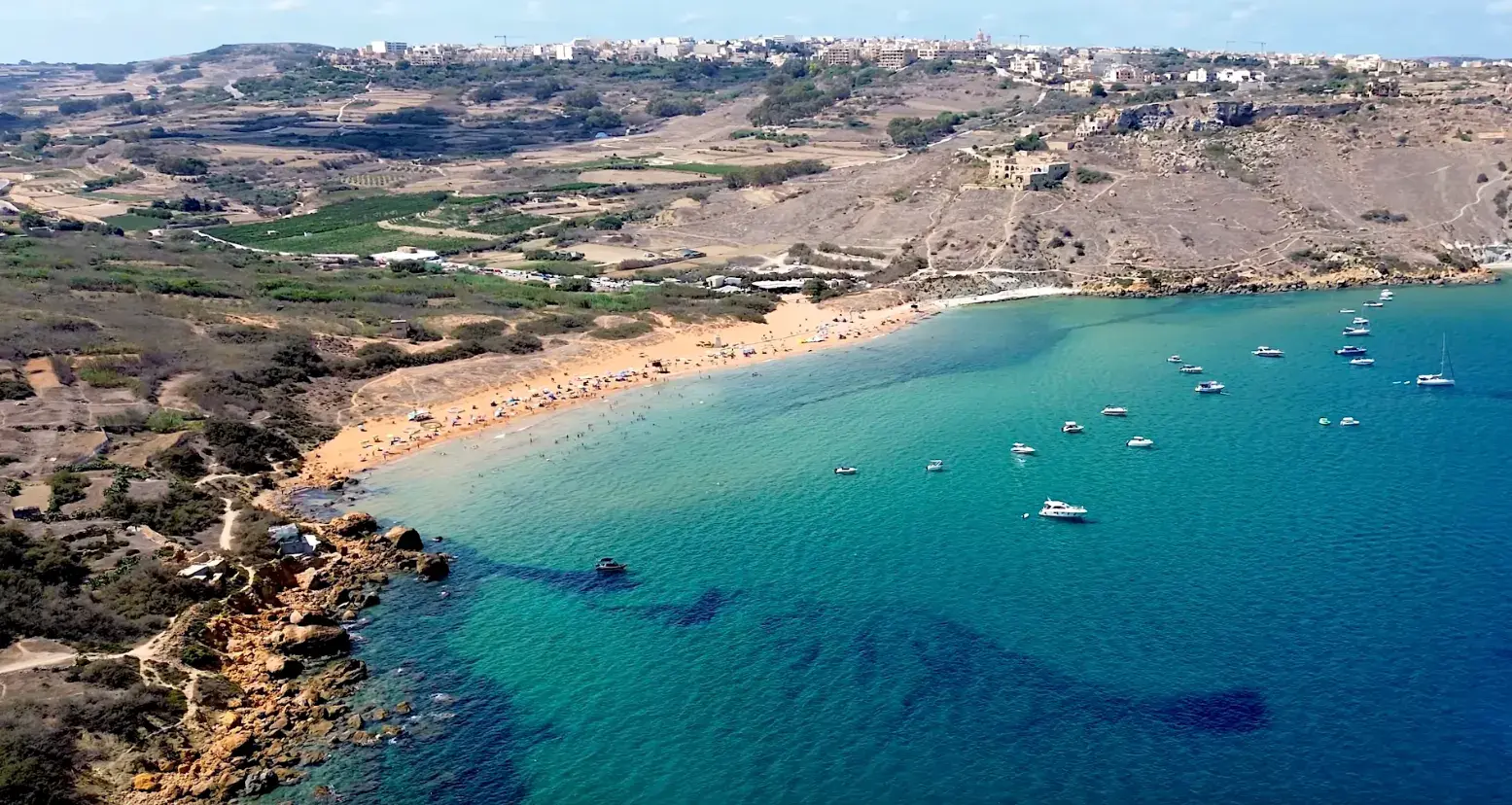
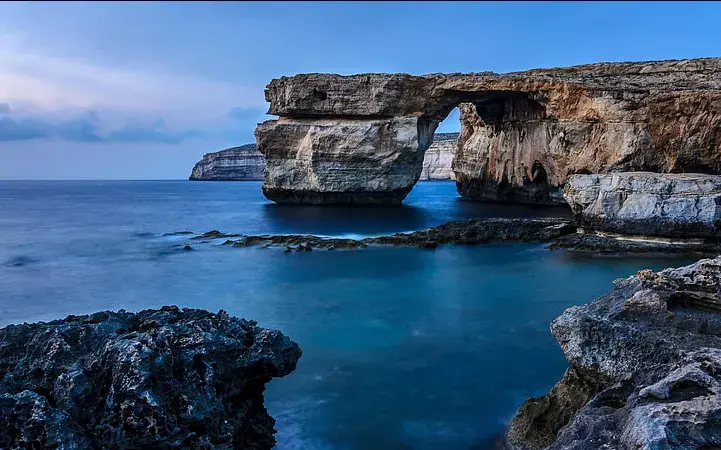
Gozo is a 25-minute ferry from northern Malta and feels like a different country. Greener, slower and more rural, it's where Maltese people go for the weekend. The citadel of Victoria sits on a hill in the centre with panoramic views in every direction. The Azure Window collapsed in 2017 but the Inland Sea nearby remains — a saltwater lagoon connected to the open sea through a tunnel in the rock. The beaches at Ramla Bay (orange-red sand, unique in the archipelago) and San Blas Bay (only accessible on foot or by boat) are the best in the archipelago. Gozo is also Malta's top dive site, particularly the Blue Hole, Cathedral Cave and Reqqa Point.
Best Time to Visit Malta
Malta has a Mediterranean climate — dry, hot summers and mild, wet winters. The best time for water sports and beach activities is May to October. July and August are the peak summer months with temperatures around 30–35°C and near-certain sunshine, but these months are also the most crowded and expensive. June and September offer a better balance: warm water (24–26°C in September), lower prices, and fewer people. The Blue Lagoon is most manageable in late May and early June before the peak season crowds arrive. Winter (December to March) is mild (15–18°C) and good for sightseeing, though the sea is cool for swimming.
Malta Travel — FAQ
When is the best time to visit Malta?
The best time for water sports and beaches is May to October. June and September offer warm water (24–26°C), fewer crowds, and lower prices than peak July–August. Winter (December–March) is mild (15–18°C) and great for sightseeing.
How many days do you need in Malta?
4–5 days is enough to see Valletta, Gozo, the Blue Lagoon, and have time for water sports. A week allows a more relaxed pace with day trips to Marsaskala, Mdina, and the south coast sea caves.
Is Malta good for water sports?
Malta is one of the best destinations in Europe for water sports. Over 300 days of sunshine per year, sea temperatures up to 28°C in summer, crystal-clear water with visibility up to 30 metres, and sheltered bays make it ideal for jet skiing, kayaking, boat tours, and diving.
Do I need a visa for Malta?
Malta is in the EU Schengen Area. EU/EEA citizens need only a valid ID or passport. Non-EU citizens should check requirements for their nationality. Many nationalities (US, UK, Canada, Australia) can visit visa-free for up to 90 days.
Is Malta expensive?
Malta is moderately priced by European standards. Budget accommodation starts around €50/night, meals at local restaurants €10–15, and water sports from €8. It is cheaper than most Western European destinations, especially outside July–August peak season.
Guides & tips from our blog

Sunset Catamaran Cruise Malta: Prices & What to Expect

Private Boat Hire in Malta for Groups & Celebrations

Catamaran Charter Malta: 2026 Prices for All 8 Boats
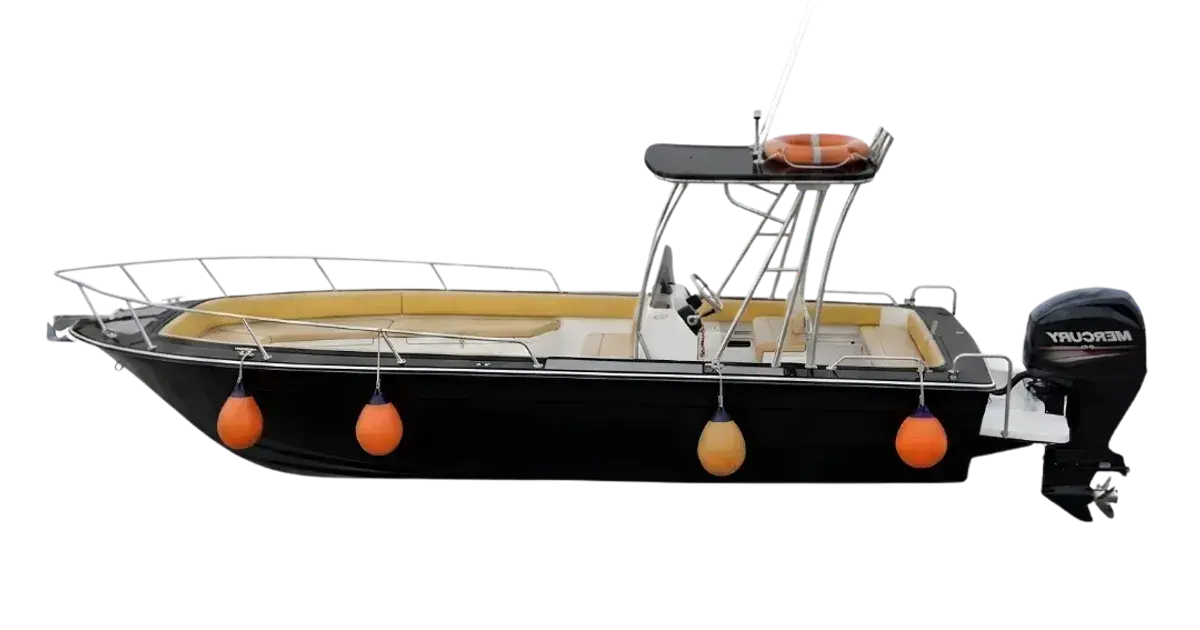
Malta by Day & Night: Water Sports + Nightlife Guide
Blue Grotto vs Blue Lagoon: Malta's Two Blues Explained
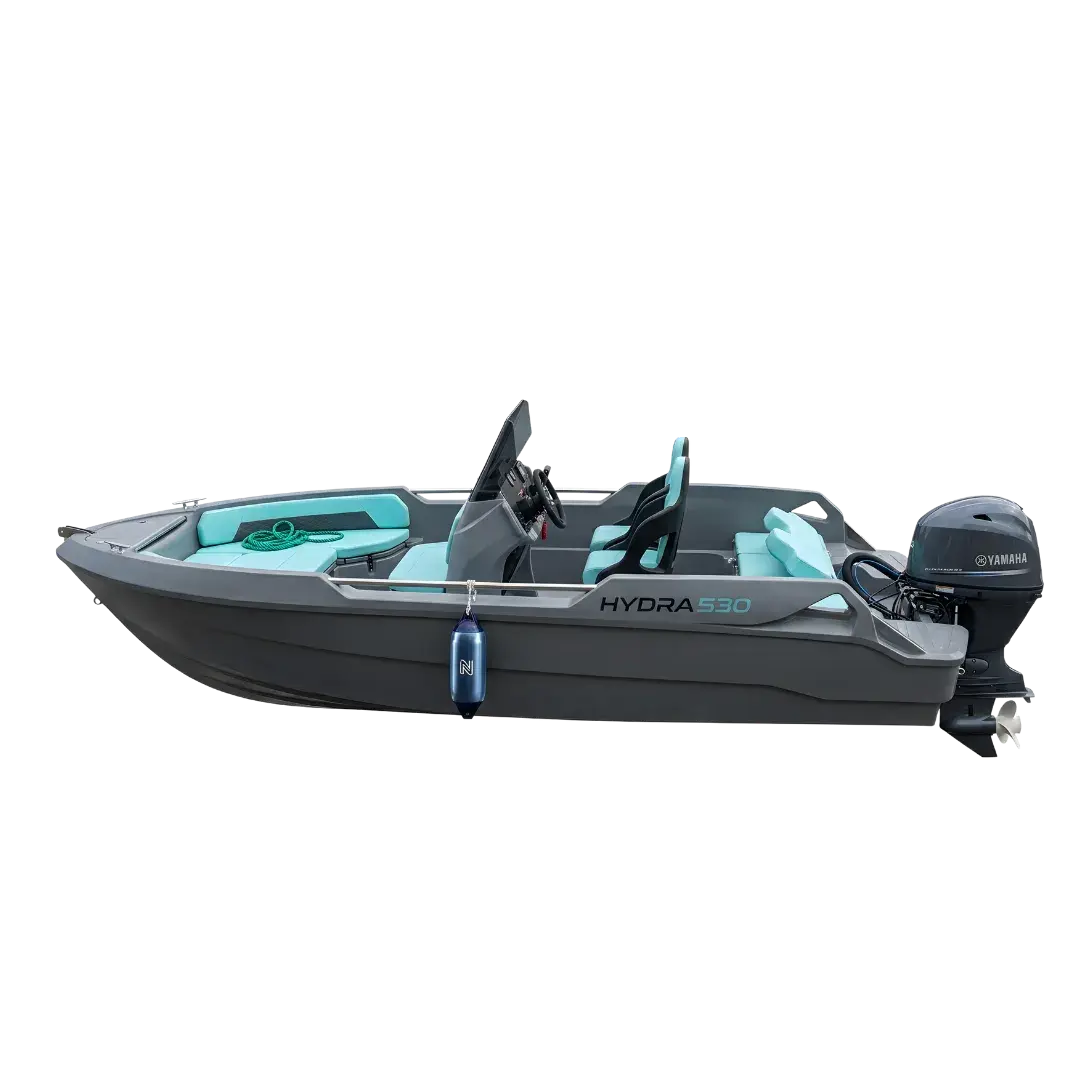
Boat Rental in Malta With No Licence: What You Can Drive
Ready to Explore Malta?
Book your water sports and activities now and make the most of your Malta trip.
Browse All Activities