Published: 30 October 2026
Snorkelling in Malta 2027: 10 Best Spots & When to Go
Snorkelling in Malta is as easy as the Mediterranean gets: a limestone coast with no rivers to cloud the water, visibility often past 20 metres on a calm day, and a sea typically 22 °C in June, 25 °C in July and 23 °C in October. The best spots are rocky coves you walk into — Għar Lapsi, St Peter's Pool, Qawra Point, Gozo's Blue Hole — and places you only reach by boat: Comino's lagoons and caves, and the Blue Grotto.
Here are our 10 best snorkelling spots: what you see, how hard the entry is, sea temperature by month, safety and gear. We run kayaks and boats from St Thomas Bay in Marsaskala from April to October and take people to Comino daily in summer: these are spots we use ourselves.
Why snorkelling in Malta is so good — and what you'll see
Malta's coast is almost all rock: no rivers carry silt, so the water stays clear most of the year — only a few days of strong north-westerly wind cloud the exposed bays. Depth comes fast off the rocks: you float over a drop-off a few metres from shore.
The seabed is white limestone, boulders and posidonia meadows, the seagrass that shelters most of the fish: shoals of saddled and two-banded bream, ornate and rainbow wrasse, damselfish, salema, octopus and the odd moray in the holes, loose schools of barracuda in late summer. No coral: this is Mediterranean snorkeling — light on pale rock, caves and arches. Mornings are best, with the flattest sea and fewest boats.
Best snorkelling spots in Malta and Gozo from the shore
- •Għar Lapsi (south coast, near Siġġiewi) — rocky cove with a sheltered natural pool, a ladder into deep clear water, a small cave and posidonia beyond. Our favourite on a calm day; bad in a north-westerly; car or taxi only.
- •St Peter's Pool and Il-Kalanka (Delimara) — natural rock pool with flat ledges and deep, clear water: jump, then snorkel the walls for bream and wrasse. No sand, shade, toilets or bus stop; about 35–45 minutes' walk from Marsaxlokk or a short taxi; best early in summer. Il-Kalanka next door is quieter.
- •Qawra Point (Buġibba) — rock shelves with ladders, a shallow reef dropping away a few metres out, plenty of fish; a dive-training classic — expect divers in the mornings.
- •Paradise Bay (near Ċirkewwa) — small sandy cove down a staircase, rocky sides full of fish. Stay inside the bay: the Gozo ferries pass just outside.
- •Blue Hole, Dwejra (Gozo) — near-circular pool in the rock, about 10 metres across, joined to the open sea by an underwater arch that divers drop through. The Azure Window beside it collapsed in March 2017. Rough rock, so water shoes; Gozo Channel ferry from Ċirkewwa, about 25 minutes.
- •St Thomas Bay (Marsaskala) — our base: shallow sand-and-rock bay, posidonia a few metres out, rocky edges with caves and coves you reach by kayak. Easiest entry here, sheltered from the north-west wind. Buses 91, 92, 93 from Valletta, about 40–55 minutes (check the route in the tallinja app).
Blue Lagoon snorkelling, Crystal Lagoon, Santa Maria Caves and Blue Grotto: boat only
Every Comino plan has one rule: the entry pass is a mandatory government QR, not included in any boat trip and only available at blcomino.com/product/blue-lagoon.
- •Blue Lagoon (Comino) — shallow turquoise channel between Comino and Cominotto over white sand. The middle is empty; the fish are along the rocks on either side, so swim the edges. Crowded from late morning in summer, no shade, kiosks only — bring water, arrive early.
- •Crystal Lagoon (Comino, east side) — deeper and rockier, bream and wrasse on the walls, water so clear the bottom looks within reach. Boat only, and the better Comino snorkel.
- •Santa Maria Caves (Comino, north side) — sea caves and tunnels with shoals of bream at the mouths. Boat only, no path down.
- •Blue Grotto (Wied iż-Żurrieq) — sea caves where morning light turns the water electric blue. The traditional 20–25-minute boat rides from the tiny harbour are look-only, weather permitting; to get in the water you need your own boat — our 28ft with skipper reaches it from St Thomas Bay and stops where the sea allows.
When to go snorkelling in Malta: sea temperature by month
Our water sports run from April to October, the realistic snorkelling season; autumn beats spring because the sea cools slowly. Visibility depends more on wind than month: a majjistral blow clouds the north-west bays, the south-east stays clean.
- •April — sea typically 16 °C, air about 20 °C: clear and empty; shorty wetsuit for longer sessions.
- •May — 18–19 °C, air 24 °C: often the clearest water of the year, no crowds yet.
- •June — 22 °C, air 28–29 °C: fine without a wetsuit; the Blue Lagoon fills up from mid-month.
- •July — 25 °C, air 31–32 °C: warm, busy, sometimes humid with sirocco — go at 08:00 or after 17:00.
- •August — 26–27 °C, air 32 °C: warmest water, fullest bays; book Comino ahead.
- •September — 25–26 °C, air 28–29 °C: our pick — warm sea, thinner crowds, Comino trip daily until 15 September.
- •October — 23 °C, air 25 °C: still good, first rain, more north-westerly days; last month of our season.
Snorkelling safety in Malta and the snorkel gear to pack
- •Jellyfish: the mauve stinger (small, purple, long tentacles) drifts in on certain winds and can fill one bay while the opposite coast is clear — change coast. A sting hurts but is rarely serious; rinse with seawater, not fresh.
- •Boats: stay inside the yellow swimmer buoys where there are any, tow a bright float where there are not, never cross the mouth of a bay. At the Blue Lagoon the channel is a boat lane — keep to the rocks.
- •Flags and wind: red flag means no swimming; rocky spots have no lifeguard — if waves break over the ledges, it is a no. A north-westerly majjistral makes the north-west beaches and Dwejra dangerous and closes the Blue Grotto boats; on those days go south-east.
- •Gear: a mask that seals (press it on without the strap and breathe in — if it stays, it fits), short fins, water shoes for rock and urchins, and a rash vest for UV, warmth in April–May and October and jellyfish — face-down in 25 °C water you do not feel yourself burning. A dry bag too: no lockers at the rocky spots.
- •Hire: snorkelling gear is €3 extra with a kayak at our St Thomas Bay base and on site for our boats and the Comino trip; bring your own mask if the fit matters. Never snorkel alone; keep fins off the posidonia, which is protected.
How to reach the boat-only spots: from St Thomas Bay and with our Comino trip (2027 prices)
Half the spots above need a boat, and none of ours needs a licence. Our base at St Thomas Bay, Marsaskala, is open 09:00–19:00 from April to October.
- •Kayak: single from €8 per hour (16+), double from €15 per hour with no minimum age when an adult paddles — the way into the caves and coves along St Thomas Bay's edges.
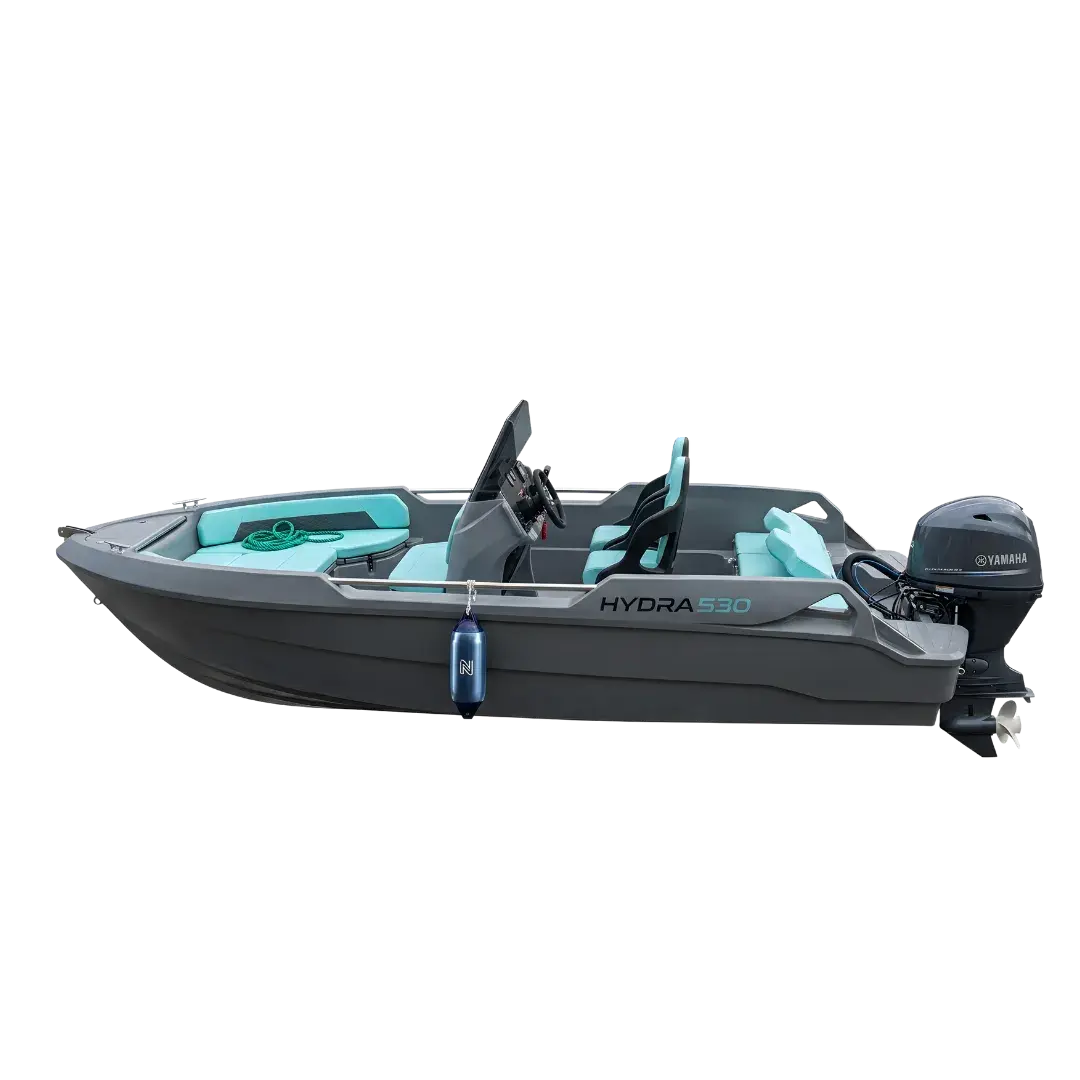
- •Self-drive Hydra 530 (17ft, up to 6 people, driver 21+): €120 for 2 hours, €180 for 3 hours, €240 for 4 hours; map of south-coast swimming spots on board, fuel bought at the base, designated area only.
- •28ft open boat with skipper (up to 15, no minimum age, fuel included): €180 for 2 hours, €270 for 3 hours, €400 for 5 hours, €530 for a full day — Blue Grotto from the sea, St Peter's Pool and the boat-only caves.
- •Comino & Blue Lagoon day trip: €30 per person, paid in full online; daily at 10:00 from Welbee's Supermarket, Pendergardens, St Julian's (arrive 20 minutes early) until 15 September; about 30 guests per departure, return transfer included, crew on board but no guide, the whole day at the lagoon. Entry QR mandatory, not included.
- •Most activities: small deposit online, balance at the meeting point; if we cancel for sea conditions you get a full refund or a free reschedule.
Frequently asked questions
Where is the best snorkelling in Malta?
From the shore: Għar Lapsi and Qawra Point for fish and easy deep water, St Peter's Pool for the rock. By boat: Comino's Crystal Lagoon and Santa Maria Caves, which beat the Blue Lagoon itself for what you see underwater.
Can you snorkel in the Blue Lagoon on Comino?
Yes: shallow, sandy and very clear, with the fish along the rocks on either side. Go early — from late morning in summer it is crowded, with no shade. Every visitor needs the government entry QR from blcomino.com/product/blue-lagoon; no boat trip includes it.
What is the sea temperature in Malta for snorkelling?
Typically 16 °C in April, 18–19 °C in May, 22 °C in June, 25 °C in July, 26–27 °C in August, 25–26 °C in September and 23 °C in October. June to October needs no wetsuit for most people; in April, May and late October a thin shorty helps.
Are there jellyfish in Malta?
Sometimes. The mauve stinger drifts in on certain winds and can fill one bay while the opposite coast is clear, so the fix is usually to change bay. The sting hurts but is rarely serious: rinse with seawater, never fresh water.
Do you need a boat to snorkel in Malta?
No: six of our ten spots are shore entries, from Għar Lapsi to St Thomas Bay. Comino's Crystal Lagoon, the Santa Maria Caves and the Blue Grotto need a boat: from St Thomas Bay a self-drive boat is from €120 for 2 hours, the skippered 28ft from €180.