Published: 30 October 2026
Dolphin Watching Malta 2027: Season, Species & Our Tour
Yes, there are wild dolphins in Malta — bottlenose, striped and short-beaked common dolphins — and the best place to look for them is the open water south of the island, in calm early-morning seas between May and September. Our dolphin watching tour from St Thomas Bay, Marsaskala, lasts 1 hour, costs €120 per person and carries a maximum of 6 people per boat.
This guide explains which species you can expect, why the season and the hour matter so much, what “sightings not guaranteed” really means and how to behave around wild animals. We run small boats from St Thomas Bay every summer and head out to the same waters each morning, so everything below comes from the water, not from a brochure.
Are there dolphins in Malta? The three species you can see
Malta sits on the edge of the deep Mediterranean, and the waters off the south coast hold resident populations of common and striped dolphins that regularly approach boats. Three species are seen around the islands: the bottlenose dolphin, the striped dolphin and the short-beaked common dolphin.
Bottlenose dolphins are the largest of the three — grey, curious and the ones most likely to ride a boat's bow wave. Striped dolphins are slimmer, with a dark stripe from the eye along the flank, and tend to move in bigger, faster pods. Short-beaked common dolphins are the most active at the surface, leaping and surfing the wake, and often travel in large groups.
All three are wild animals that come and go with the fish. There is no feeding station, no enclosure and no fixed spot: a dolphin tour is a search, and that is the point of it.
Best time to see dolphins in Malta: May to September, early morning
Our dolphin season runs from May to September, and the tour leaves St Thomas Bay at 09:00. That hour is not a marketing choice: the sea is typically at its flattest before the daytime breeze builds, the low light shows a fin or a splash from a long way off, and there is far less boat traffic stirring the surface.
The sea is comfortable for the whole season — typically 18–19 °C in May, 22 °C in June, 25 °C in July, 26–27 °C in August and 25–26 °C in September — with daytime highs from about 24 °C in May to 32 °C in August. July and August can bring humid sirocco spells, and a north-westerly majjistral wind can put up a chop even on a sunny day, so look at the forecast the evening before.
Why calm seas matter more than luck
- •On a flat sea a dorsal fin shows from hundreds of metres away; in a short chop the same pod can pass 50 m from the boat unseen.
- •Dolphins surface to breathe every few seconds to a couple of minutes — the skipper watches for the blow and the arc of the back, not for jumps.
- •Glare is the enemy: polarised sunglasses and a cap make a real difference when you are scanning towards the sun.
- •Six people on a small boat means six pairs of eyes looking in different directions, and everyone gets a place at the rail when a pod appears.
- •Dolphins choose whether to approach: a steady course and speed invite bow-riding; chasing or sudden turns do the opposite.
How our Marsaskala dolphin tour works (2027 prices)
The tour is a 1-hour trip from St Thomas Bay into the open water to the south of Malta, where sightings are most frequent. It is calm-paced and built around looking, not speed, with the skipper giving commentary on dolphin behaviour throughout.
- •Departure 09:00 from St Thomas Bay, Marsaskala — arrive at 08:45 for the briefing
- •Duration 1 hour · €120 per person · maximum 6 people per boat
- •Season May–September only, mornings
- •Included: the boat tour, an expert skipper with local knowledge, life jackets and the dolphin commentary
- •Not included: food and drinks, and — because these are wild animals — a guaranteed sighting
- •All ages welcome: the tour is suitable for babies and children, and there is no physical effort involved
- •Booking: a small deposit online, the balance at the meeting point on the day
What “sightings not guaranteed” means in practice
Common and striped dolphins are spotted on most trips, but not on all of them. A wild pod can be feeding 10 km further east on the morning you come, and no skipper can change that. We say this clearly before you book rather than after.
Two rules cover the risk. If the boat goes out and no dolphins are seen, you get a full refund. If we cancel the departure because the sea is not suitable, you get a full refund or a free reschedule — your choice. Either way, you do not pay €120 for an empty sea.
Responsible dolphin watching: the rules on board
- •We keep our distance and let the dolphins decide whether to approach — bow-riding is their choice, never forced.
- •No swimming with dolphins, ever: the tour stays on the boat, and no one enters the water near a pod.
- •No feeding and nothing thrown overboard — food changes their behaviour and litter ends up in the same sea.
- •No chasing, no cutting across a pod's path and no sudden speed changes when they are near.
- •Keep voices down when they are alongside — the quieter the boat, the longer they stay.
What to bring on a dolphin watching tour in Malta
- •Sunscreen, a cap and polarised sunglasses — even at 09:00 the glare off the water is strong
- •A light windproof layer: a moving boat at sea feels several degrees cooler than the beach
- •Water and a snack if you want them, as food and drinks are not included
- •A phone strap or a camera with a zoom; a short lens rarely catches more than a splash
- •A motion-sickness tablet the night before if you know you suffer — the morning sea is usually gentle, but not always
After the tour: St Thomas Bay and the south coast for the rest of the day
You are back at St Thomas Bay by about 10:00 with the whole day ahead. The bay itself is a shallow sand-and-rock beach with our base on it, open 09:00–19:00 from April to October: a single kayak is from €8 per hour (16+), a double from €15 per hour with no minimum age as long as an adult paddles, and a SUP from €10 per hour (16+).
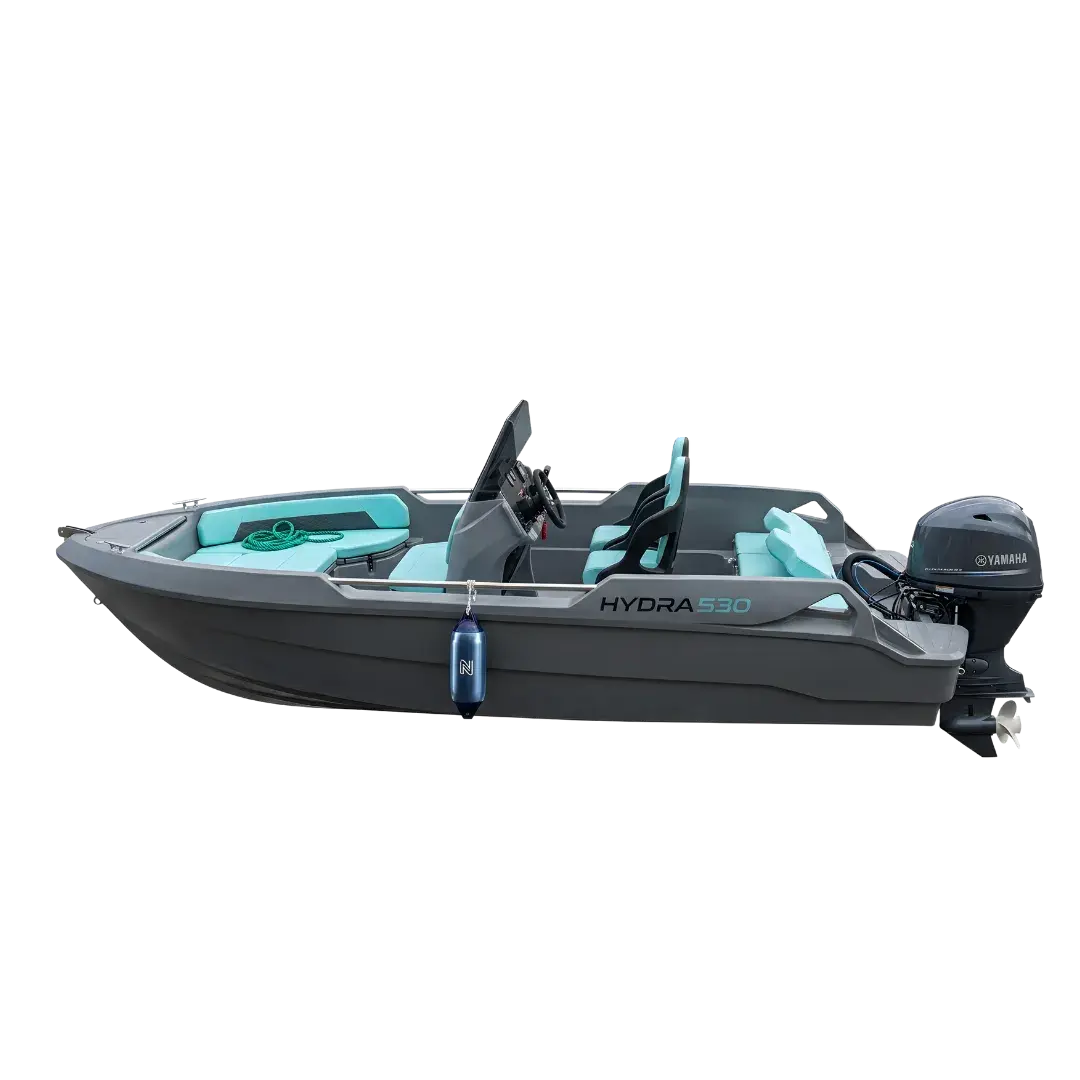
If you want to keep going by sea, our 28ft open boat with a skipper covers the south coast from the same bay — €180 for 2 hours, no minimum age — with stops at St Peter's Pool and the Blue Grotto sea caves. On land, Marsaskala's seafront promenade has restaurants for lunch, and Marsaxlokk's fishing harbour with its painted luzzu boats is a short taxi ride away (Sunday morning is market day, roughly 07:00–13:00).
Getting there: buses 91, 92 and 93 from Valletta take about 40–55 minutes (check the route in the tallinja app; fares at publictransport.com.mt); ride-hailing apps (Bolt, eCabs) about 25–35 minutes from St Julian's or Sliema.
Frequently asked questions
How much does dolphin watching in Malta cost?
Our dolphin spotting tour from St Thomas Bay costs €120 per person for 1 hour on the water, with a maximum of 6 people per boat. You pay a small deposit online and the balance at the meeting point on the day. If the boat goes out and no dolphins are seen, the price is refunded in full.
Which month is best for seeing dolphins in Malta?
Any calm morning between May and September. The tour runs only in those months, and the first hours of the day typically have the flattest sea and the softest light. July and August bring the warmest water (25–27 °C) but also humid sirocco spells, so check the forecast the evening before.
Can you swim with dolphins in Malta?
No. The dolphins around Malta are wild, and our tour watches them from the boat: we keep our distance, never feed them and never put anyone in the water near a pod. Bow-riding, when it happens, is the animals' own choice.
Is the dolphin tour suitable for babies and small children?
Yes. There is no minimum age: the tour is suitable for babies and children, the pace is calm, life jackets are provided and the whole trip lasts 1 hour, which is short enough for small attention spans.
Where does the Marsaskala dolphin tour leave from?
From St Thomas Bay in Marsaskala, on the south-east coast of Malta, at 09:00 — please be there at 08:45. Buses 91, 92 and 93 from Valletta take about 40–55 minutes (check the route in the tallinja app); a ride-hailing car from St Julian's or Sliema takes about 25–35 minutes.
What happens if the sea is too rough on the day?
We do not go out in unsuitable conditions. If we cancel for sea conditions you get a full refund or a free reschedule, whichever you prefer. Booking the tour early in your stay gives you the best chance of a second morning if the first one is blown out.