Published: 31 October 2026
Malta in Winter: Weather, What's Open and Things to Do
Malta in winter is mild rather than warm: from November to February daytime highs are typically 15–18 °C, nights around 10–11 °C, and rain falls in short, heavy bursts between sunny days. The sea is around 20 °C in November and about 15 °C by January, so winter here means walled cities, temples, cliff walks and Gozo — not the beach.
Below: the weather month by month, what is open, the best things to do in Malta in winter, the holiday calendar and what to pack. We run boats and water sports from St Thomas Bay in Marsaskala from April to October, so we also say what you can and cannot do at sea in between.
Is Malta warm in winter? The weather month by month, November to March
Mild, sunny, sometimes windy. The north-westerly majjistral is the typical winter wind and makes 16 °C feel cooler than it sounds, and December and January each bring around a dozen rainy days; with around 300 sunny days a year, blue sky is still the norm.
- •November: typically around 21 °C by day, 18–21 °C early in the month; sea still around 20 °C. Rain returns in short bursts.
- •December: about 17 °C by day, 10–11 °C at night, sea 17 °C; around a dozen rainy days, and a sunny Christmas Day on a terrace is as normal as a wet one.
- •January: typically 15–16 °C, the coolest and windiest month, sea 15 °C. Around a dozen rainy days, heavy but brief.
- •February: about 16 °C, fewer rainy days, still windy; sea 14–15 °C, the coldest of the year.
- •March: spring — 17–18 °C, wildflowers on the cliffs, sea still around 15 °C; our water sports season opens in April.
What's open in Malta in winter: museums, ferries, buses and boats
Almost everything that is not a beach kiosk; what changes are the hours and a few public-holiday closures.
- •Heritage Malta sites (Hypogeum, Tarxien, Ħaġar Qim, Fort St Elmo, Ġgantija): all year with reduced hours; closed 24, 25 and 31 December and 1 January — check heritagemalta.mt.
- •St John's Co-Cathedral (Caravaggio's “Beheading of St John”): year-round except Sundays and public holidays; check the cathedral's site for hours.
- •Gozo ferries: the Ċirkewwa ⇄ Mġarr car ferry all year, the Valletta fast ferry with fewer winter sailings — details below.
- •Buses: all year on the winter timetable (from October); a single ticket is about €2 in winter — check the operator; fares at publictransport.com.mt.
- •Blue Grotto boats from Wied iż-Żurrieq: through winter, weather permitting, roughly 09:00–16:00; the clifftop viewpoint is free all year.
- •Popeye Village and the Malta National Aquarium: open all year; Popeye has shorter winter hours (roughly 09:30 to 16:30/17:00) and no swimming platform until May.
Things to do in Malta in winter: cities, temples and coastal walks
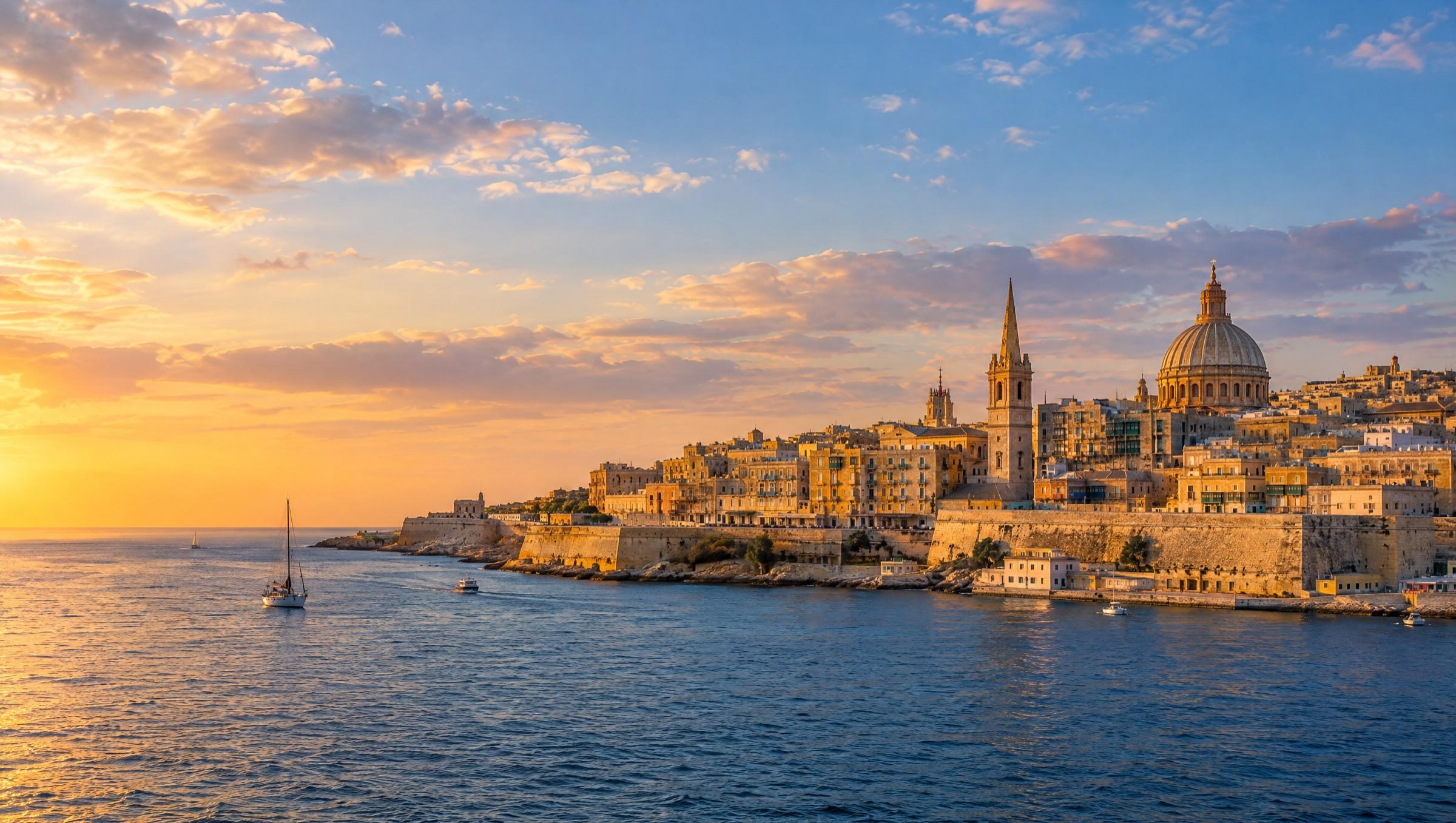
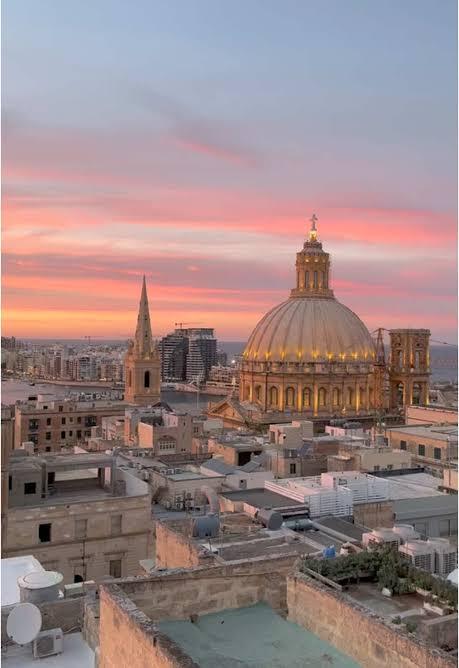
Valletta — UNESCO World Heritage since 1980, built by the Knights of St John after 1565 — is at its quietest: stand in the Upper Barrakka Gardens for the noon or 16:00 cannon, then take the harbour ferry to the Three Cities (Birgu, Senglea, Cospicua); check times at vallettaferryservices.com.
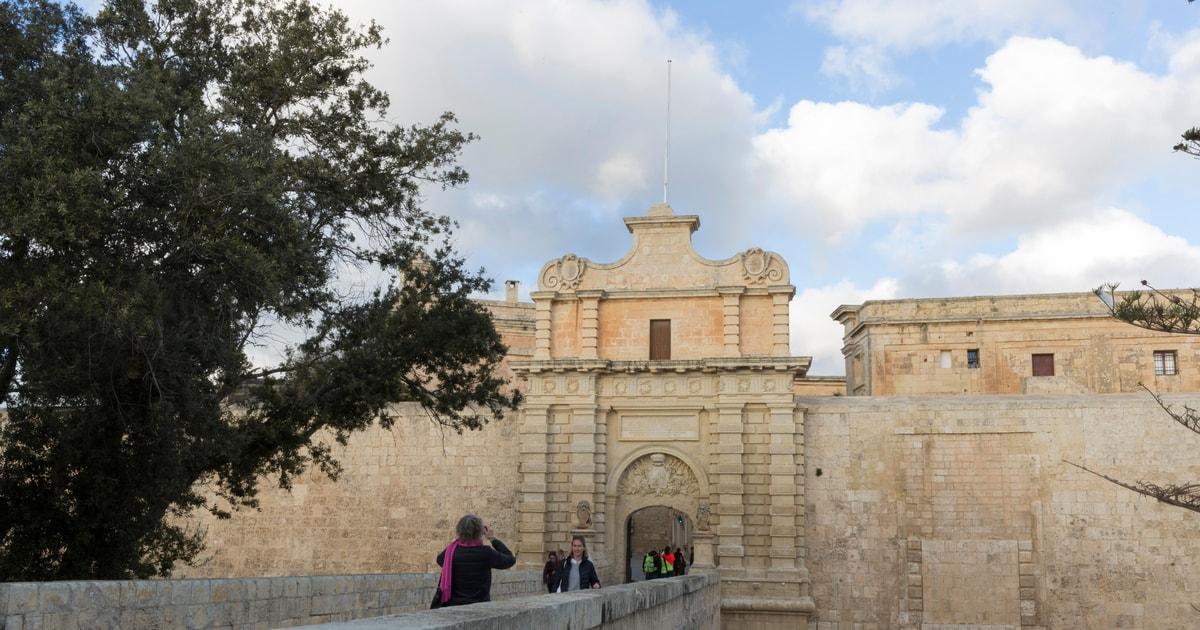
Mdina, the car-free hilltop city about 30 minutes by car from Valletta, suits a clear afternoon, with St Paul's catacombs in Rabat next door; the temples are kinder now than in August heat. Winter is also the walking season:
- •Dingli Cliffs: Malta's highest point at about 250 m, the classic sunset walk; windy, so bring a layer.
- •Marsaskala to St Thomas Bay: the seafront promenade past Żonqor Point to the bay where our base runs April to October; buses 91, 92 or 93 from Valletta, about 40–55 minutes — check the route in the tallinja app.
- •Marsaxlokk on a Sunday: market roughly 07:00–13:00, best before 10:00, luzzu boats and fish restaurants along the front.
Gozo in winter: the ferry, the Cittadella and Ġgantija
The Gozo Channel ferry Ċirkewwa–Mġarr takes about 25 minutes, roughly every 45 minutes by day with a reduced night service; foot passengers buy the return at Mġarr, about €4.65 per adult and €1.15 per child aged 3–12 — check the current timetable and fares. The Valletta fast ferry takes about 45 minutes, with fewer winter sailings.
On the island: Victoria and its Cittadella; the Ġgantija temples, UNESCO-listed and older than the pyramids at around 3600 BC; Dwejra with the Inland Sea and Fungus Rock (the Azure Window collapsed in March 2017); empty red sand at Ramla Bay; Xlendi's fishing harbour. Buses radiate from Victoria, so a quad covers far more: ours is 3 hours from €80, picked up in Xewkija with a GPS map — dress warm.
Can you swim or do water sports in Malta in winter?
Swim, yes, if you are hardy: around 20 °C in November, 17 °C in December, 15 °C in January, 14–15 °C in February — from December to April the water is for cold-water swimmers. On majjistral days exposed coasts are rough and sea trips get cancelled: every winter boat plan is weather permitting.
Our water sports season at St Thomas Bay runs April to October (dolphins May to September), so jet skis, the Fiat 500 boat, kayaks and the 28ft boat with skipper return in spring — join the 2027 list and we tell you when your dates open. The private charters from Ta' Xbiex and Sliema do run all year: catamarans and a sailing yacht, skipper and fuel included, priced for the whole boat — sunset or short charter from €520, full day from €910 — weather permitting.
Winter events in Malta: Christmas, New Year's Eve, Baroque Festival and Carnival
From the last week of November to 31 December, Christmas in the Capital lights up Republic Street and Merchants Street in Valletta, with the big tree by City Gate and cribs (the presepju) in churches, shop windows and homes. Fairyland, the Christmas village around Pjazza Tritoni, opens in late November or early December; dates and prices are announced each year on vca.gov.mt.
New Year's Eve is a free national celebration in St George's Square, Valletta, from about 22:00 to 02:00, with fireworks over the Grand Harbour at midnight — plan the return before you go. January brings the Valletta Baroque Festival; Carnival fills Valletta and Floriana in the days before Lent (February or early March), with the night-time carnival in Nadur on Gozo.
What to pack for Malta in winter, and practical tips
- •Layers, not a parka: 15–18 °C feels warm in the sun and cool in the wind — a light jumper, a windproof jacket, something warmer for 10–11 °C evenings, and sunglasses for the low, bright sun.
- •A compact umbrella and shoes with grip for wet limestone steps.
- •It gets dark by late afternoon: cliffs, temples and Gozo in the morning, museums and Valletta after dark.
- •Check the wind forecast the evening before any boat idea and keep a museum or the aquarium as plan B.
- •Public holidays: 8 and 13 December, 25 December, 1 January; many shops and museums close on 25 December and 1 January and buses run a reduced service — check the operator.
Year-round experiences you can book with us
Our St Thomas Bay base reopens in April, but four experiences run all winter. For each the “Book now” button opens our partner's booking page in a new tab, with free cancellation up to 24 hours before.
- •Popeye Village ticket from €15 — the film set built in 1979 in Anchor Bay near Mellieħa; open all year, parking included.
- •Malta National Aquarium from €17 — 51 tanks, 250+ species and a walk-through tunnel in Qawra; 1–2 hours.
- •Mdina & Rabat walking tour from €20 — 2 hours, all year.
- •Gozo quad rental from €80 — 3 hours with a GPS map, picked up in Xewkija.
Frequently asked questions
Is Malta warm in winter?
Mild rather than warm: daytime highs are typically 15–18 °C from November to February, nights around 10–11 °C and rarely below 10 °C; November is the softest, around 18–21 °C early on. In the sun it feels warmer, in a north-westerly wind cooler.
Does it rain a lot in Malta in winter?
Most of the year's rain falls between October or November and February, in short, heavy bursts rather than grey weeks. December and January have around a dozen rainy days each, February fewer; in a recent winter the airport's meteorological office reported sunshine on more than 90 % of winter days (one season's report).
Can you swim in Malta in winter?
If you are hardy: around 20 °C in November, 17 °C in December, 15 °C in January and 14–15 °C in February, the coldest of the year. Our water sports at St Thomas Bay run April to October; in winter the sea belongs to cold-water swimmers and private charters, weather permitting.
Is Malta worth visiting in January?
Yes, for cities, temples and Gozo rather than beaches. January is typically 15–16 °C by day, the coolest and windiest month with around a dozen rainy days, but the Baroque Festival is on, museums and the Gozo ferry run all year and the sights are at their emptiest.
What is open in Malta on Christmas Day?
Not much: 25 December is a public holiday, many shops and museums close (Heritage Malta sites too) and buses run a reduced service — check the operator. Restaurants are the plan; the Valletta lights stay on until 31 December.
Are the Gozo ferries running in winter?
Yes. The Ċirkewwa–Mġarr car ferry runs all year, about 25 minutes, frequent by day and reduced at night; the return costs about €4.65 (€1.15 for children aged 3–12), paid at Mġarr. The Valletta fast ferry also runs in winter with fewer sailings — check the winter timetable.